In Madagascar, Helpsimus continues its efforts to protect lemurs
The organization’s latest activity report highlights the work carried out in the field to protect lemurs and their habitat, and reconcile the needs of local communities with conservation objectives.
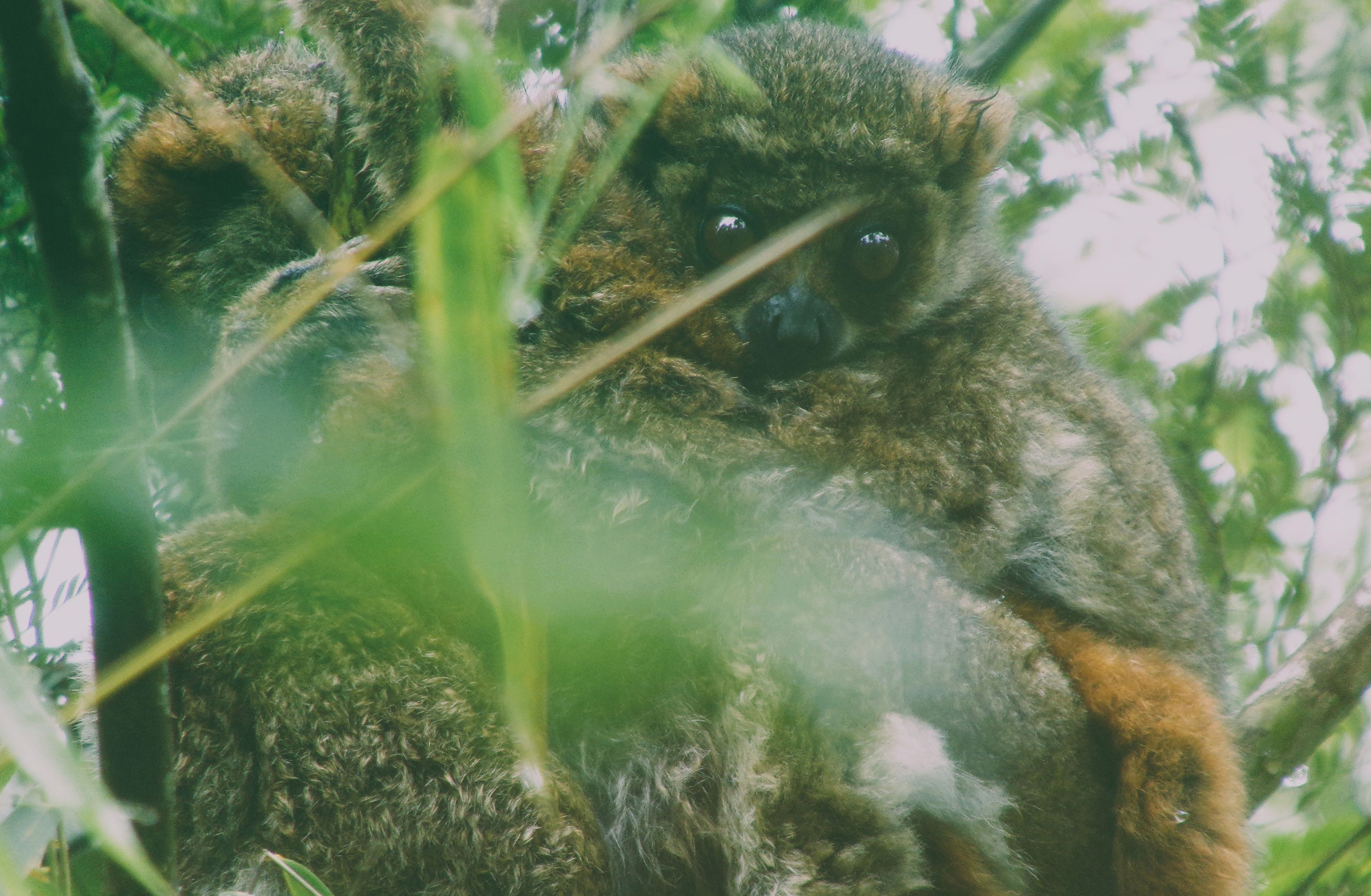
Greater bamboo lemurs: an overall population decline linked to the dispersal of individuals
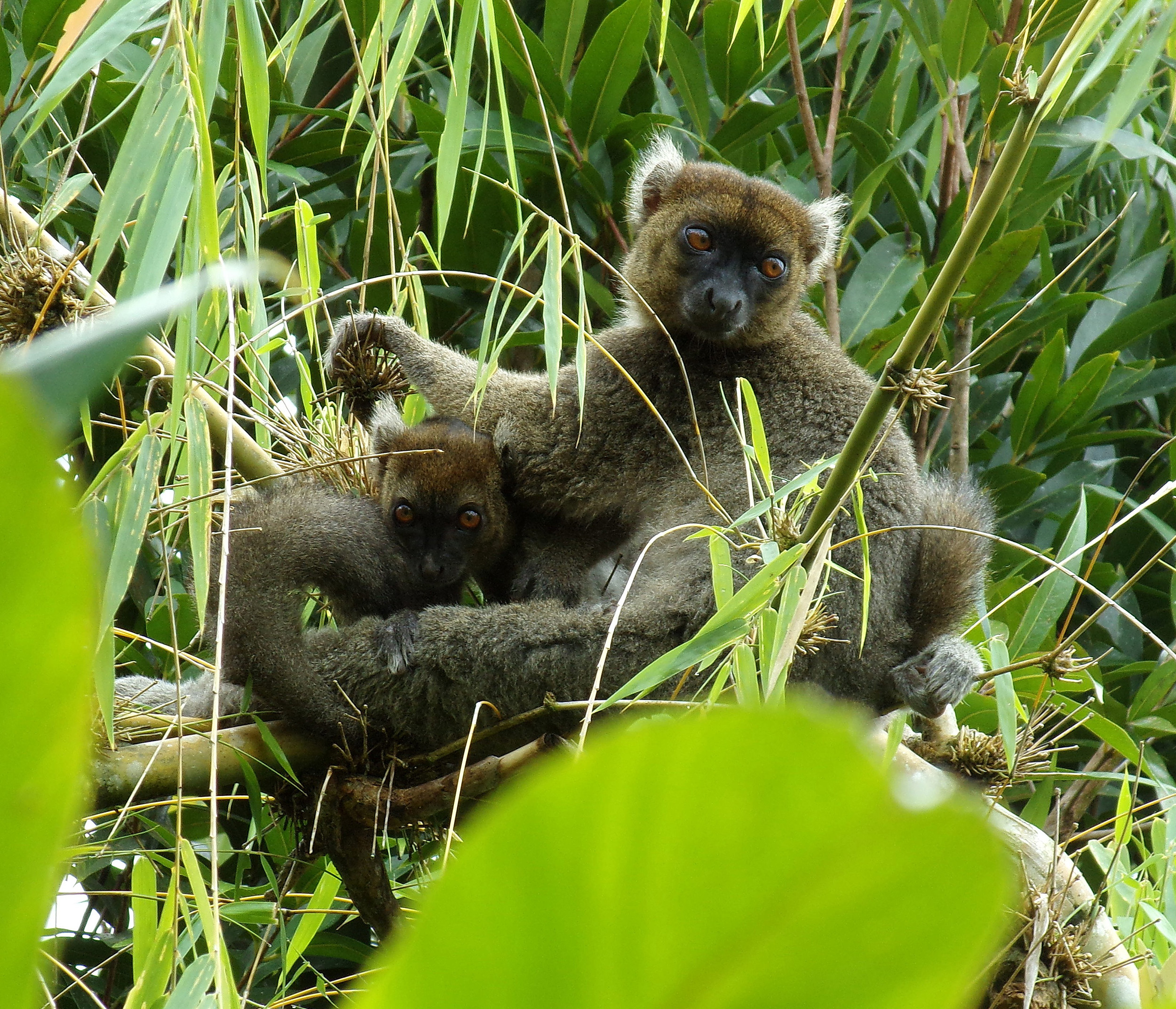
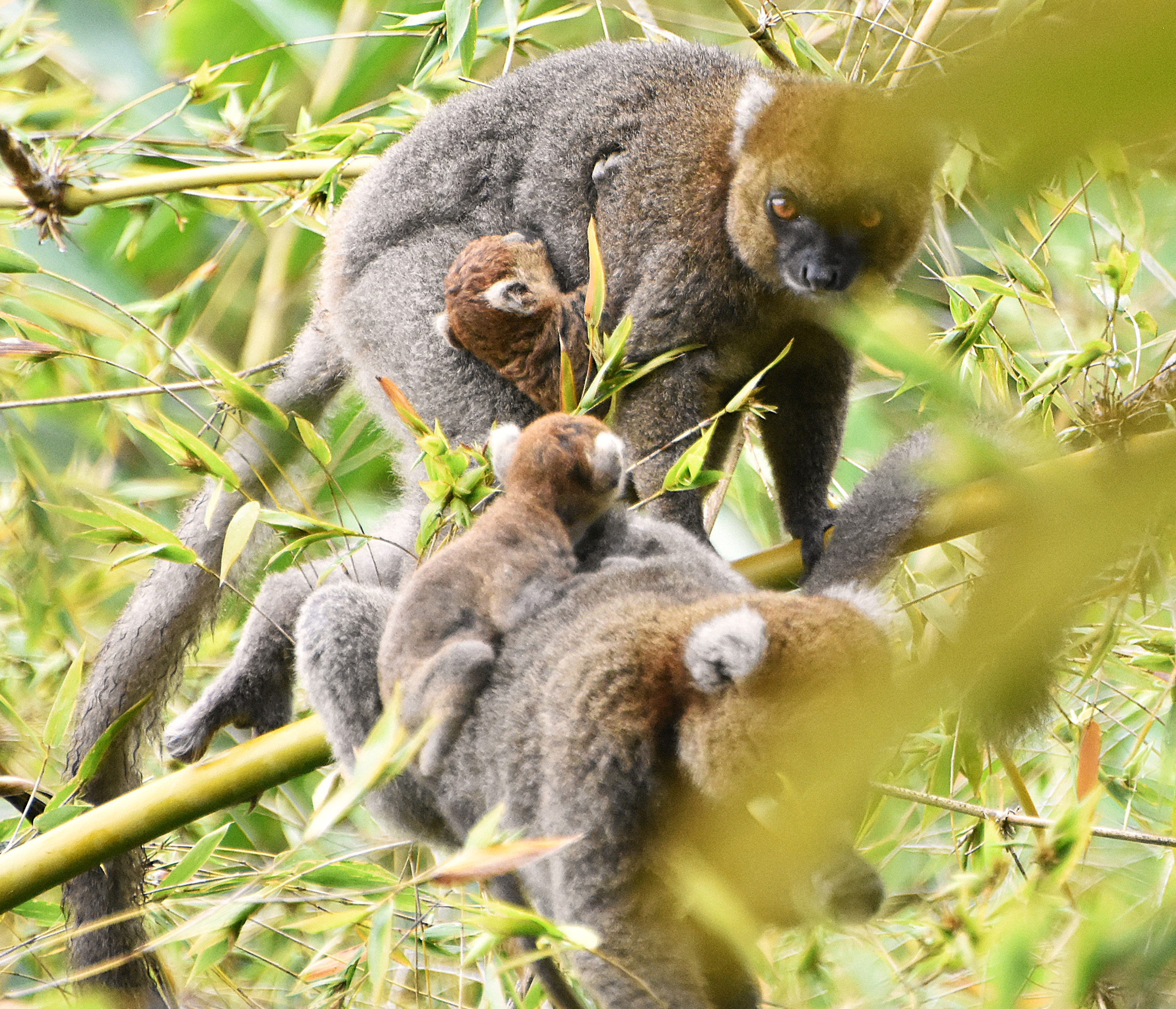
The last census, conducted in October 2026, recorded 450 greater bamboo lemurs within the program’s intervention area, along with approximately 50 newborns—while the birth season is not yet over. The population has declined slightly, partly due to the natural dispersal of some individuals into new territories. It appears that the maximum population capacity within the association’s area of intervention is around 500 individuals.
More than 76,000 forest seedlings planted
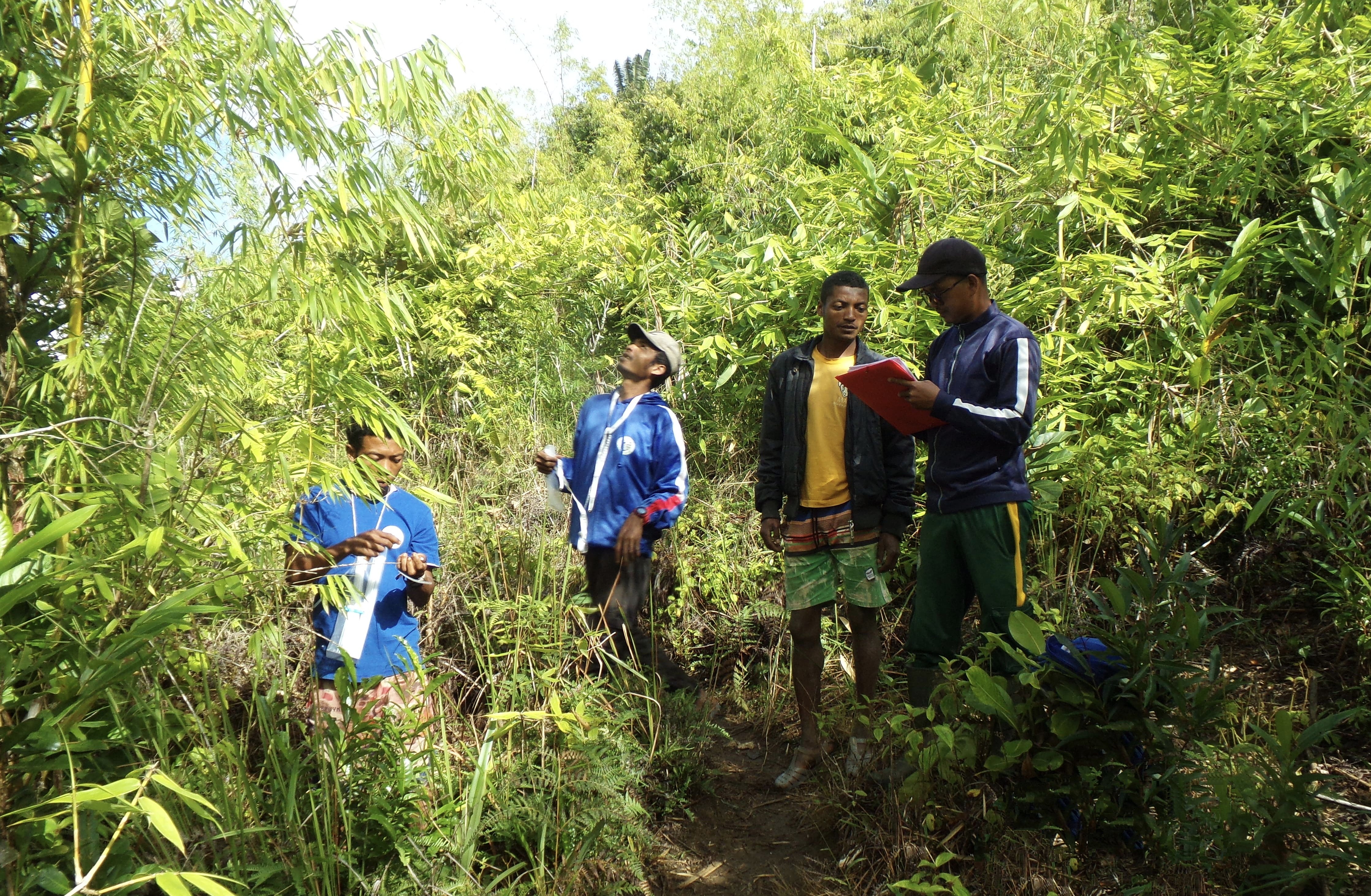
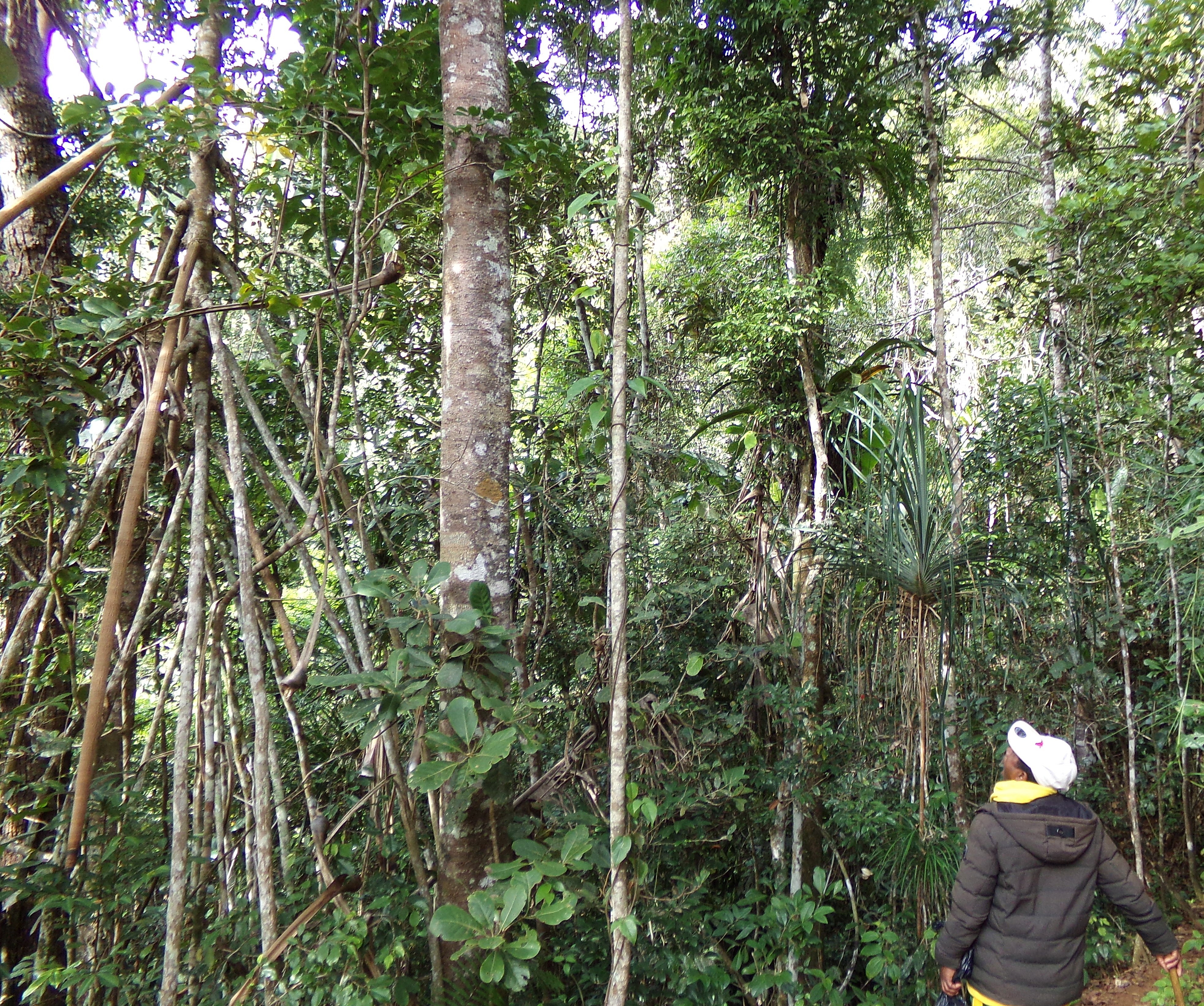
14 planting days were organized throughout the year, bringing together more than 2,700 participants from the program’s partner villages. In total, over 76,000 forest seedlings were planted, leading to the restoration of approximately 19 hectares of forest. Recent botanical surveys show encouraging trends in several sectors, with a reduction in land clearing and the gradual regeneration of certain forest fragments. Local communities have also continued to plant bamboo, which serves as the primary food source for greater bamboo lemurs.
First research findings
Presented at the annual conference of the European Association of Zoos and Aquaria (EAZA), the initial findings of research into the diet of greater bamboo lemurs highlight the importance of young bamboo shoots for nursing females, who share them with their offspring. The study also confirms the strong regenerative capacity of bamboo following clearing and removal of residual plant matter.
Monitoring of Peyrieras’ woolly lemurs using camera traps revealed a previously unknown marking behavior in this species—a finding that will soon be the subject of a scientific publication. A total of 34 individuals, organized into about ten groups, were identified within the project area.
Minimizing conflict and enabling sustainable economic development
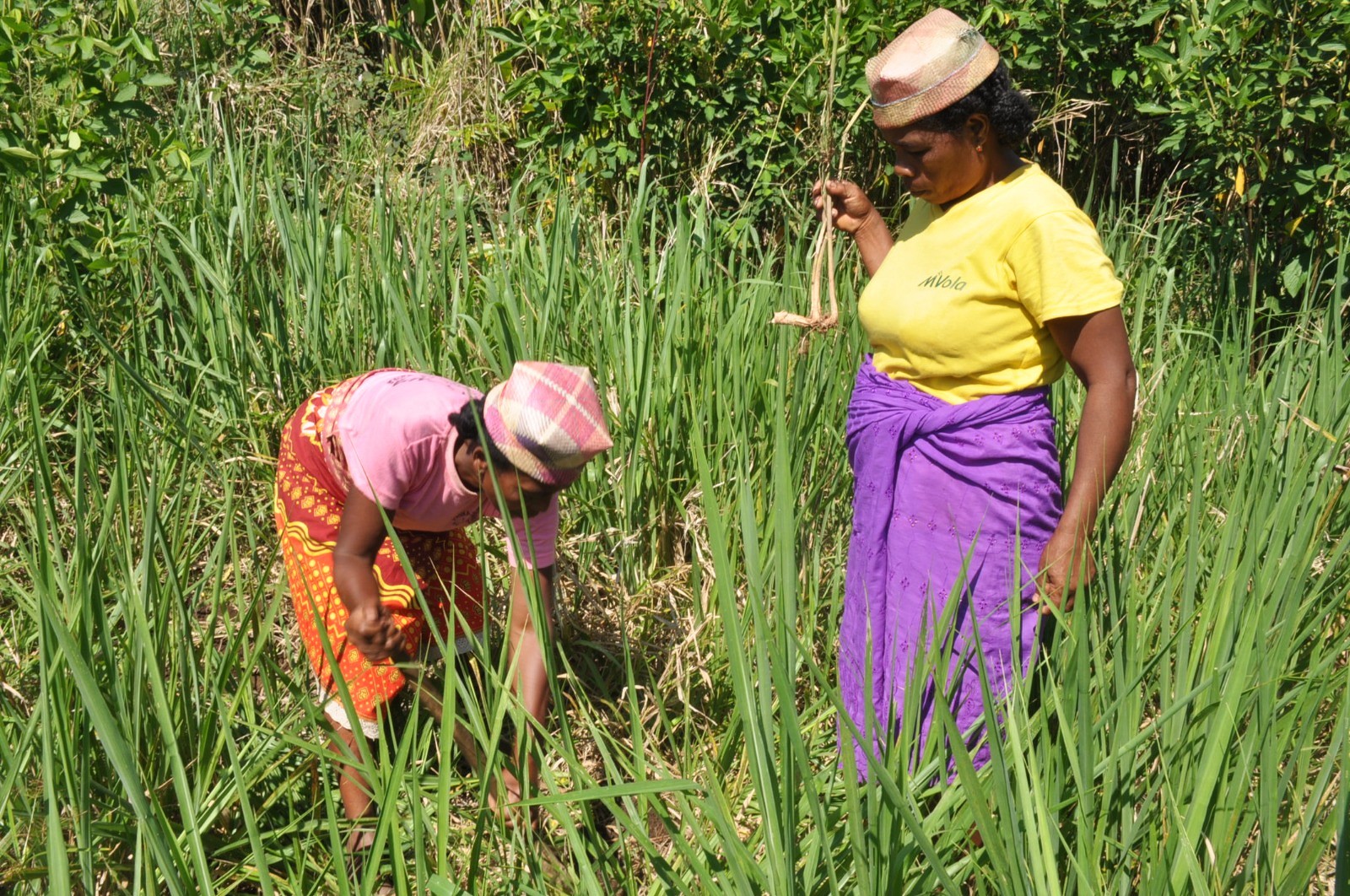
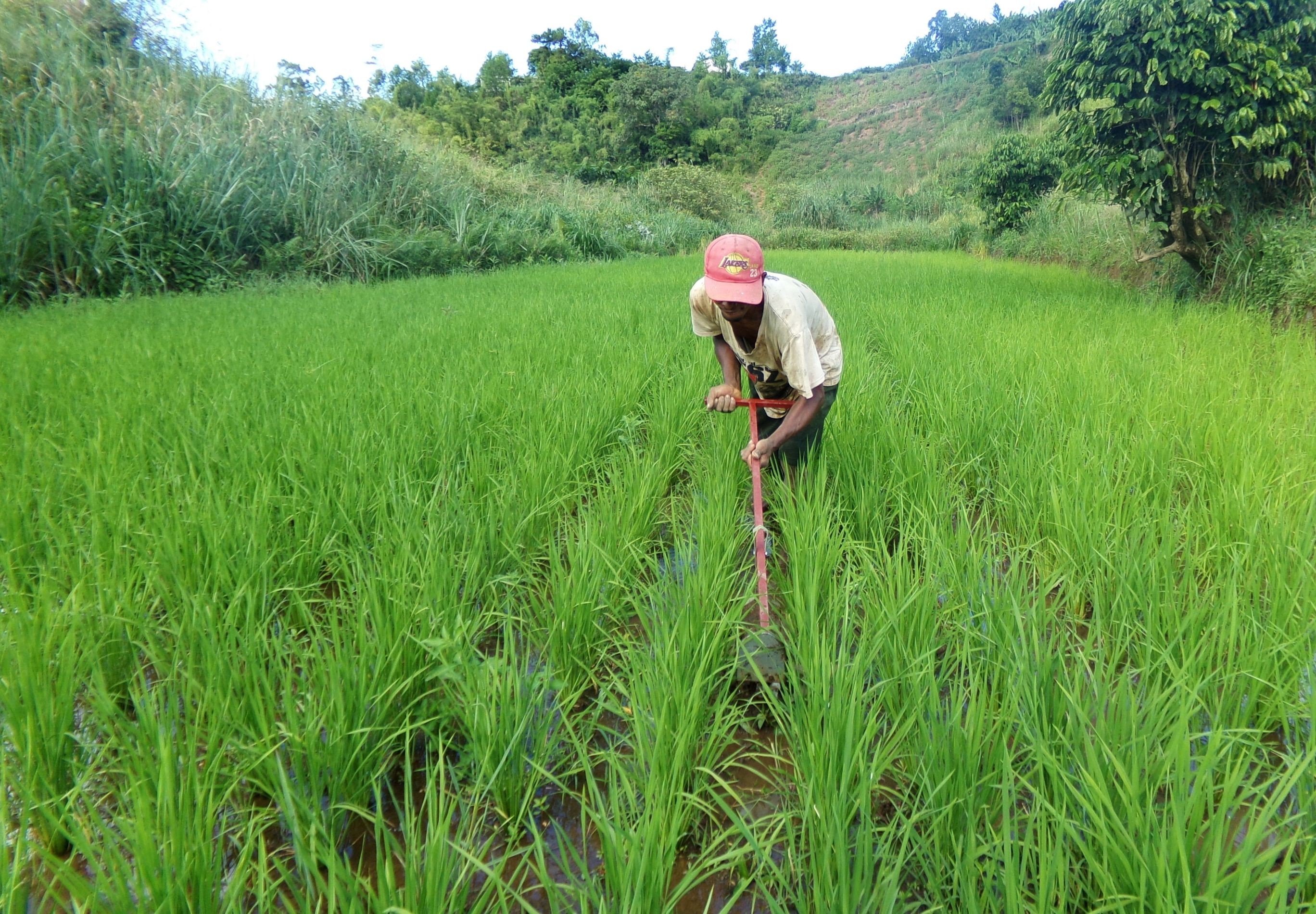
Preserving lemurs also requires implementing solutions that foster coexistence with local human populations. Between April and July 2026, more than 2,200 rice paddies benefit from the crop-guarding program designed to to limit damage caused by greater bamboo lemurs. The results are positive, with 96% of the participating rice farmers expressing satisfaction with the system.
The improved paddy field system continues to attract new participants, while vegetable production now takes place throughout the year thanks to changes in agricultural practices. Agroforestry is also expanding, with 1,600 fruit trees planted.
Towards the creation of a new protected area
To strengthen the long-term protection of lemurs and their habitats, Helpsimus continues, alongside its other activities, to take steps towards establishing a new protected area, notably through ecological surveys and consultations with local communities.
Education: a vital tool for conservation
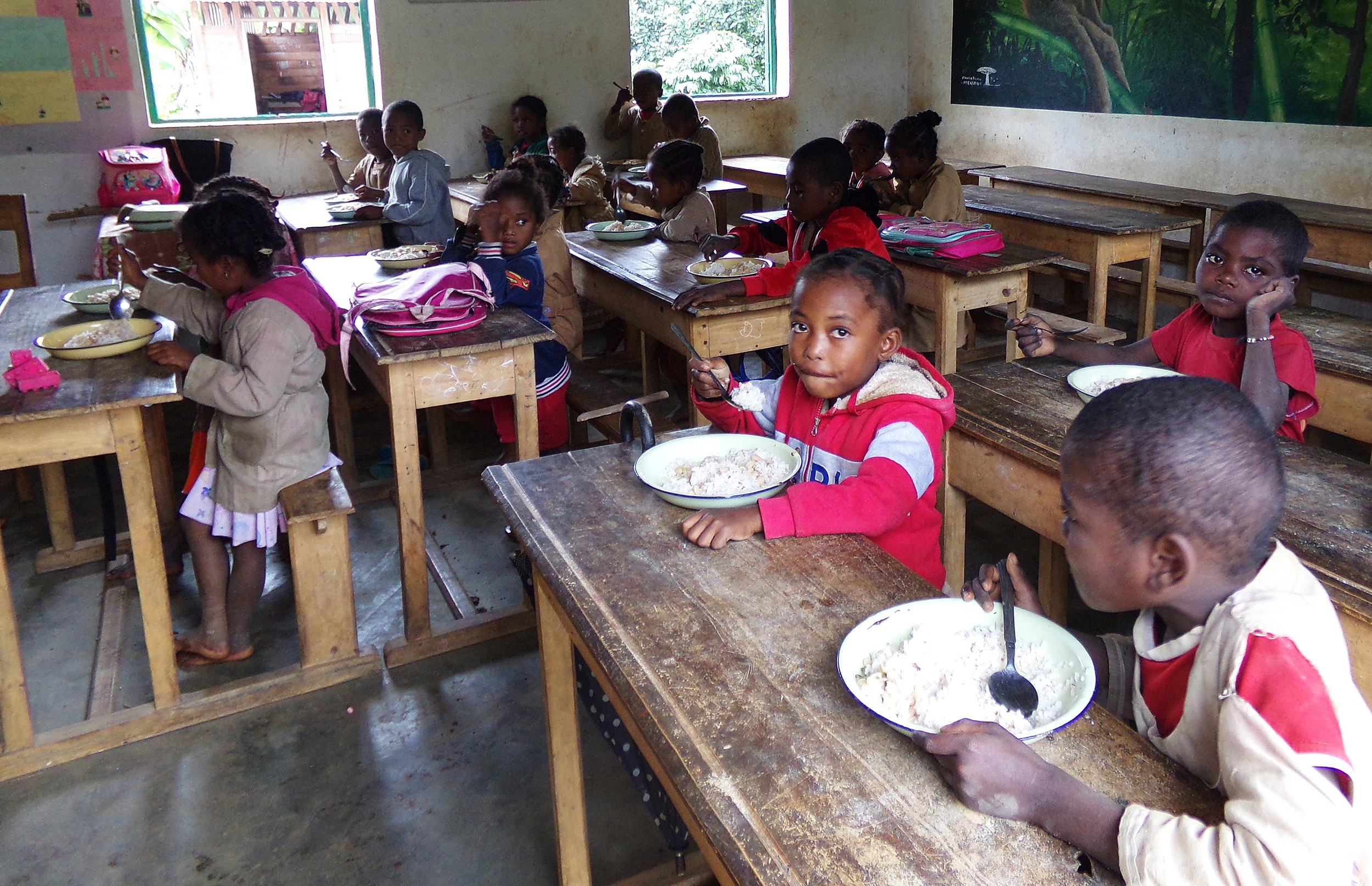
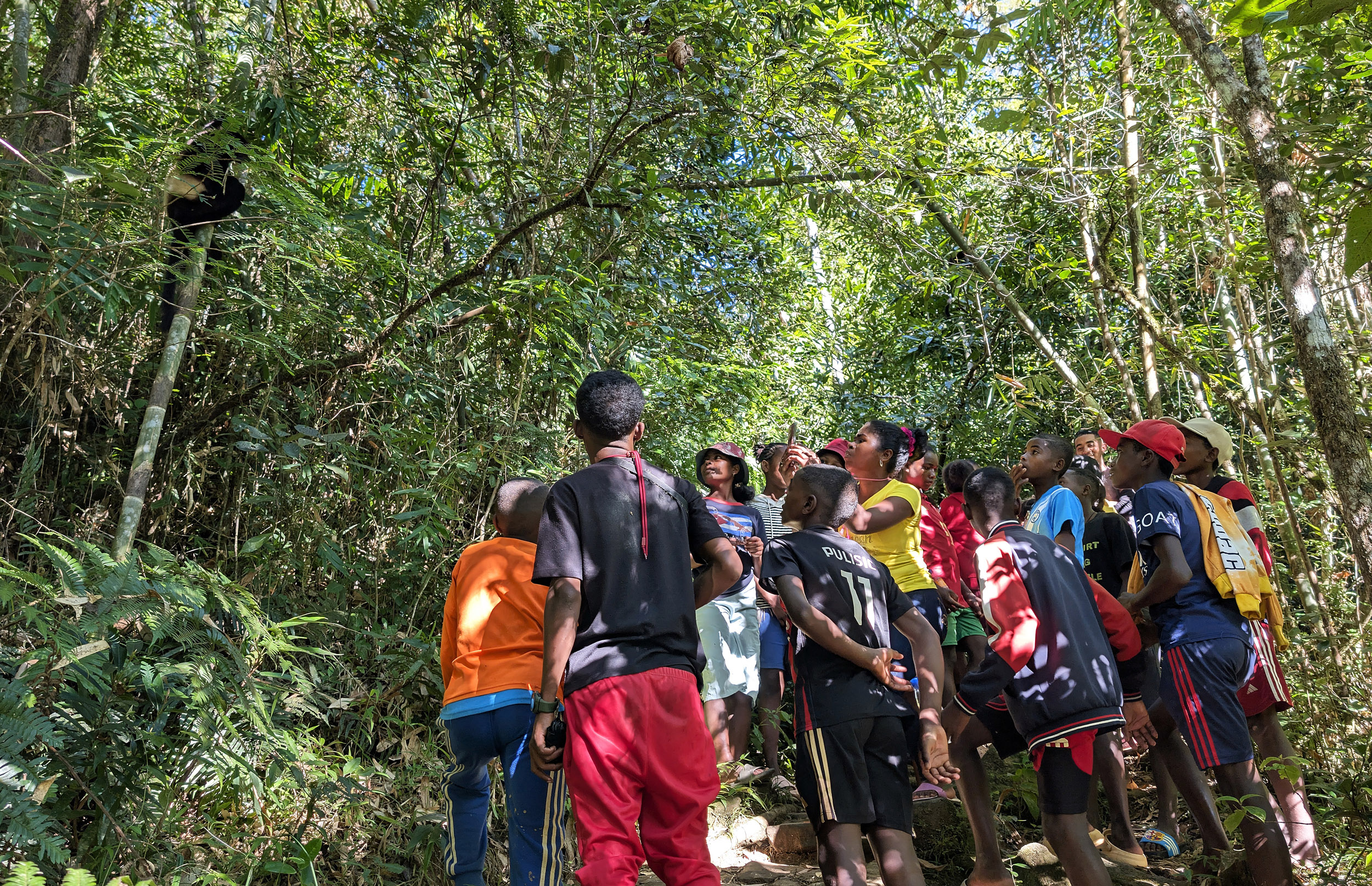
900 children attending the six schools supported by Helpsimus received a total of 126,000 meals over the school year. Environmental awareness workshops and outdoor classes—funded by Palmyre Conservation—help children learn more about the biodiversity around them and understand the importance of preserving it.
© IMPACT Madagascar
These encouraging results, achieved in the field, together with the challenges that remain, are a reminder that safeguarding lemurs requires a long-term commitment—one that Palmyre Conservation is proud to contribute to.