Partnering with the Pan African Sanctuary Alliance for impactful action
Several months ago, Palmyre Conservation decided to partner with the Pan African Sanctuary Alliance (PASA) to support its efforts to fight the illegal primate trade. Our financial contribution enabled the organization to carry out several key initiatives: rescuing animals that were victims of trafficking, protecting the health of a sanctuary facing a nearby Ebola outbreak, and repairing an enclosure damaged by a storm.
PASA brings together sanctuaries and rescue centers across the African continent. These facilities currently house nearly 4,000 primates rescued from the illegal wildlife trade, including several hundred great apes. The emergency fund established by the alliance allows these organizations to quickly secure financial, veterinary, and/or logistical resources when a crisis arises.
This year, our contribution to the emergency fund was fully used to support four emergency interventions across three different countries:
- In the Democratic Republic of the Congo, part of our funds helped rescuing two trafficked young chimpanzees that had been kept in unsuitable conditions. They were entrusted to the J.A.C.K. Sanctuary in Lubumbashi, which provided immediate care and support for the two dehydrated and deeply traumatized orphans. Following an extensive rehabilitation process, they will join one of the groups of adult chimpanzees currently housed at the center.
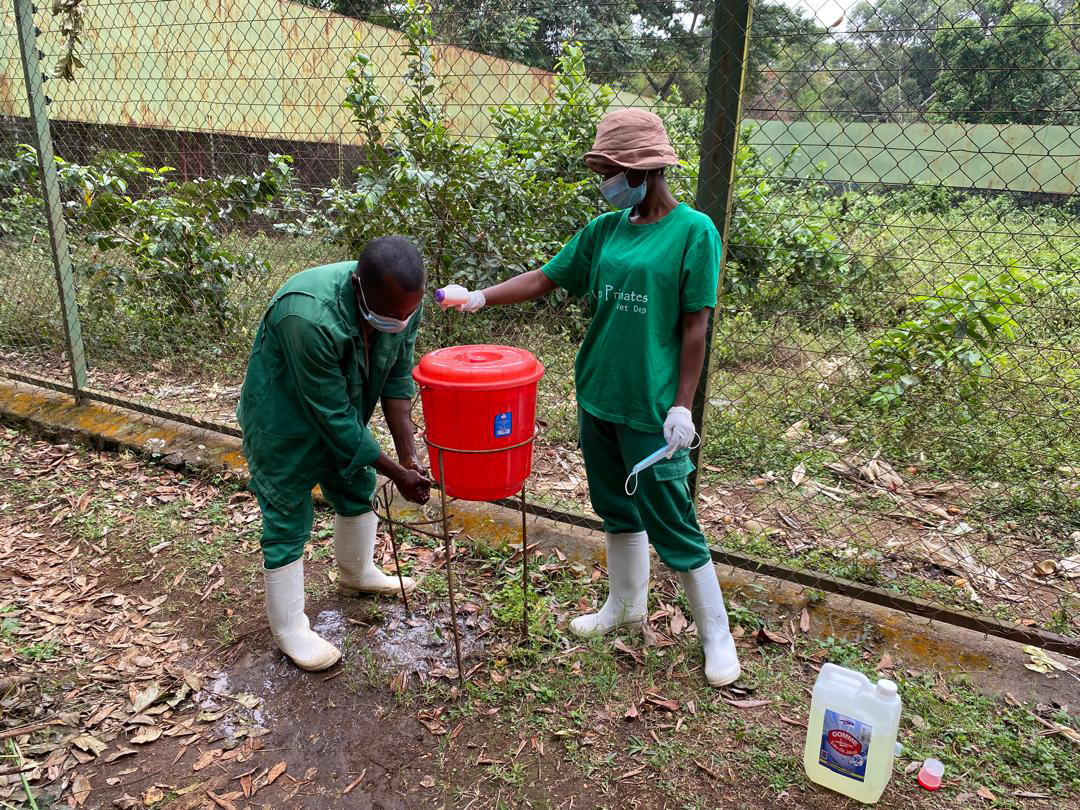
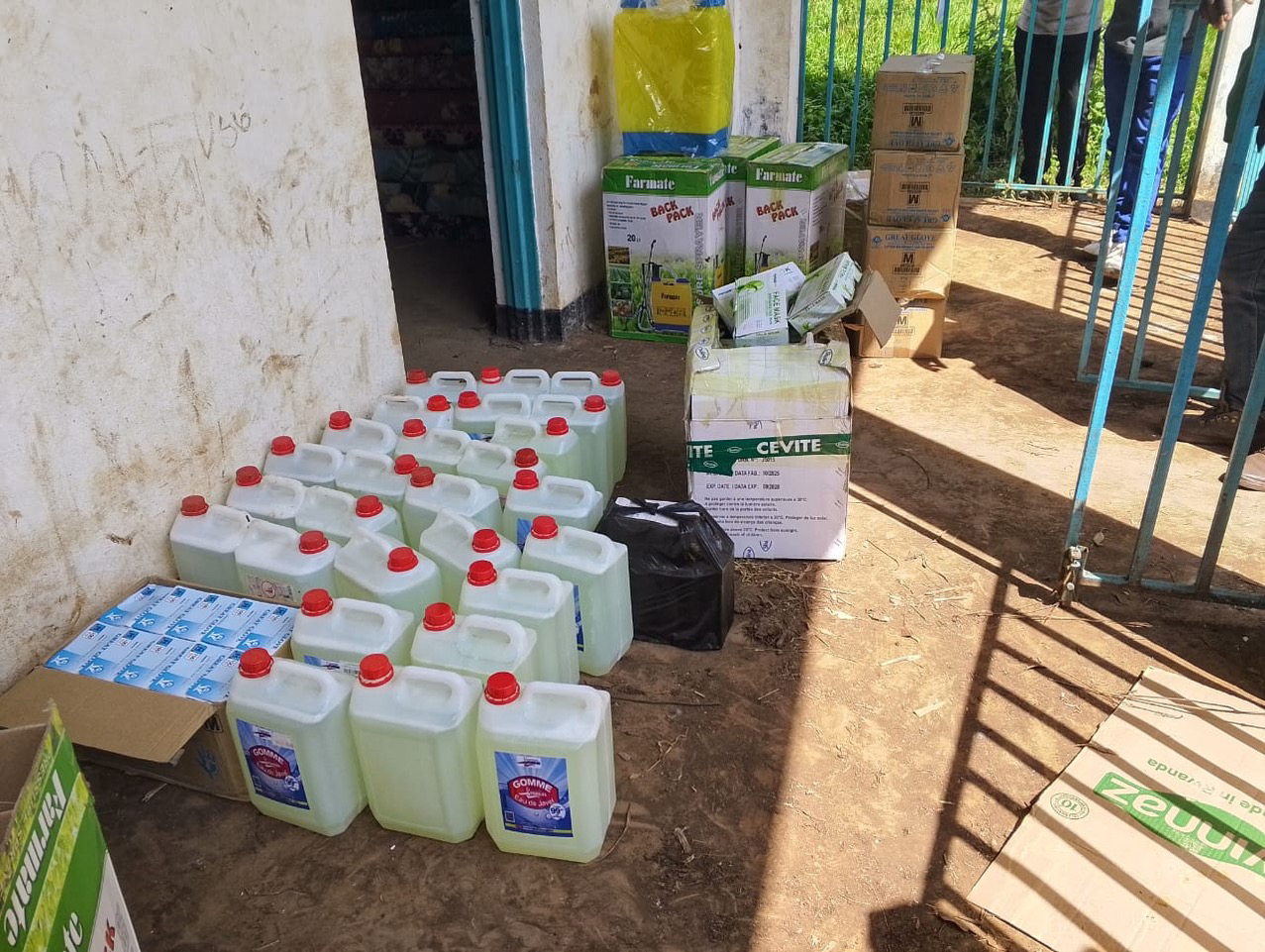
- Also in the DRC, but further east, the Lwiro Primate Rehabilitation Center faced another emergency: an Ebola outbreak that had emerged nearby. To address health risks facing the staff and the 220 primates on-site, fifteen employees remained in lockdown to continue caring for the animals while limiting contact with the outside world. Thanks to funds released by PASA, handwashing stations were installed, masks, gloves, and disinfectants were regularly distributed, and controls on incoming materials—as well as daily health monitoring for both animals and staff—were strengthened.
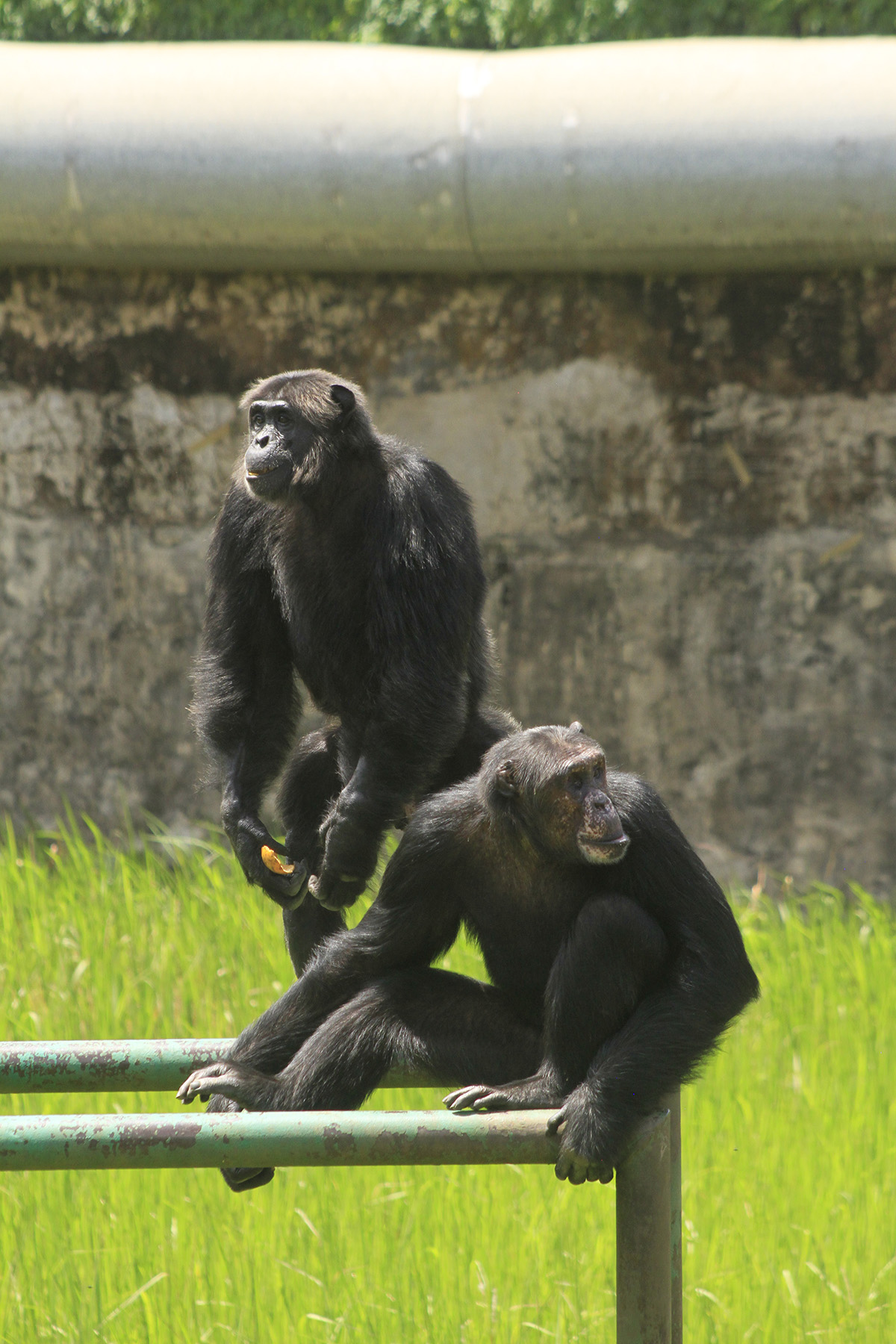
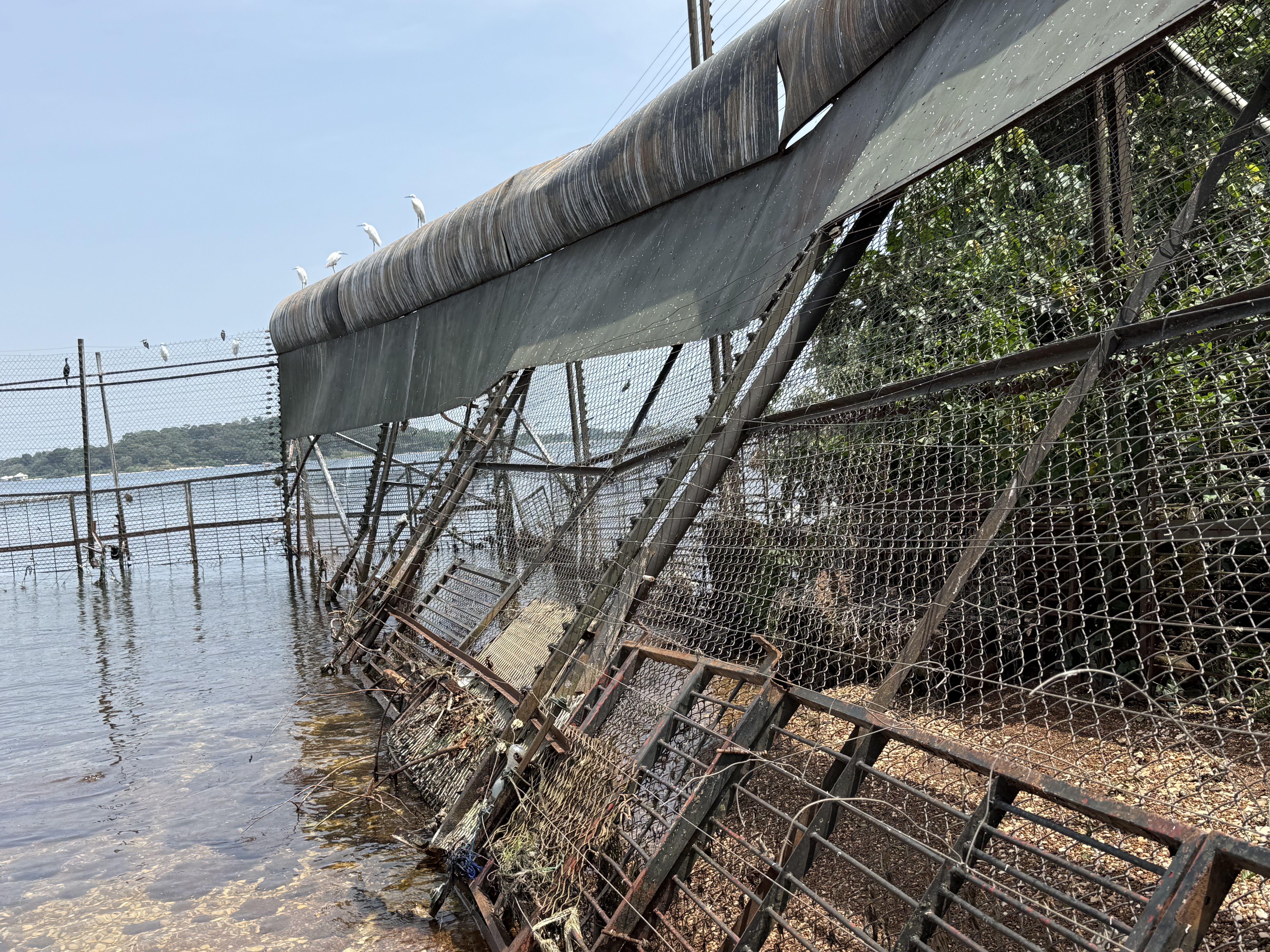
- In Uganda, the Ngamba Island Chimpanzee Sanctuary was hit by a severe storm that badly damaged the outdoor enclosure housing two adult chimpanzees; these animals had previously spent over twelve years indoors due to a lack of suitable facilities. Emergency aid from PASA enabled the rapid repair of the enclosure, restoring safe outdoor access for the chimpanzees.
- Finally, the emergency fund financed the rescue of a young female chimpanzee and a young mandrill, both of which had been kept in a private home in Equatorial Guinea. The operation required coordination across several countries to secure permits and organize transport and veterinary care for the primates to the Tchimpounga Chimpanzee Rehabilitation Center in Congo, as there were no appropriate facilities in Guinea.
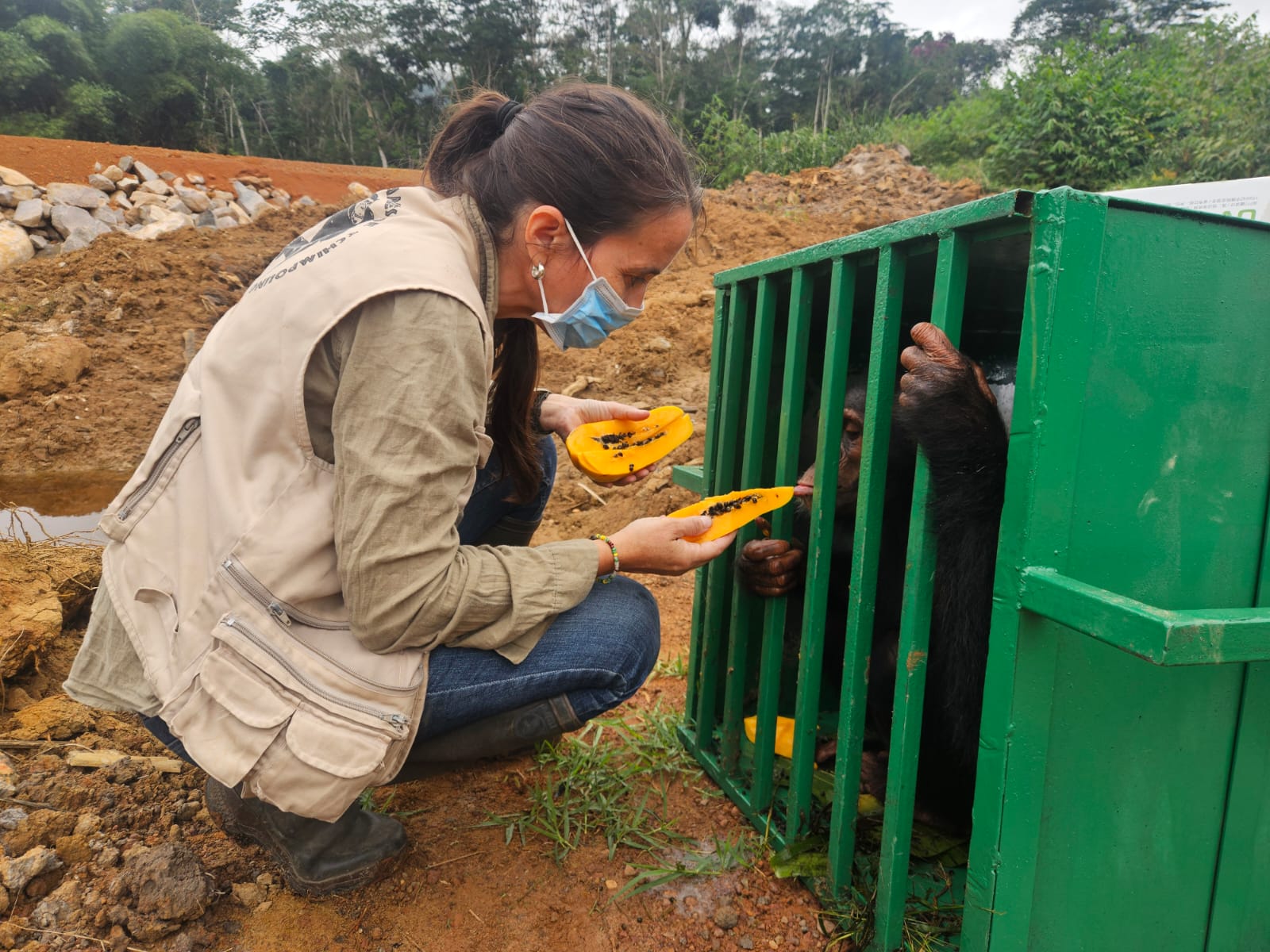
© Jane Goodall Institute & Tchimpounga Chimpanzee Sanctuary
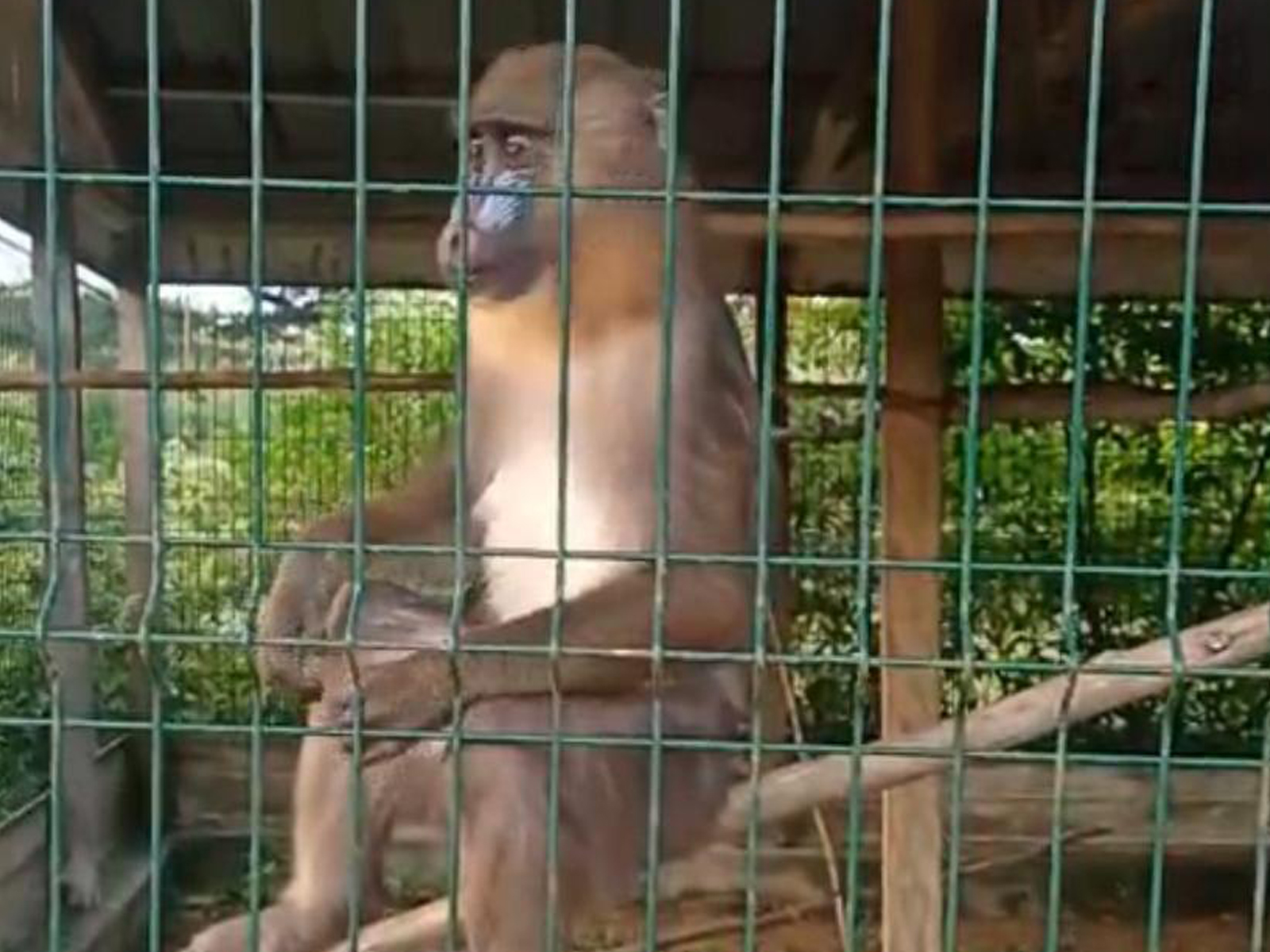
© Jane Goodall Institute & Tchimpounga Chimpanzee Sanctuary
Ces quatre interventions illustrent toute l'importance du fonds d'urgence mis en place par la PASA. Dans les sitThese four interventions highlight the vital importance of the emergency fund established by PASA. In the situations African sanctuaries face—such as the seizure of trafficked animals, natural disasters, health crises, or complex rescues—the ability to immediately mobilize resources can make all the difference.
Through this long-term partnership, our endowment fund contributes not only to rescuing animals in distress but also to strengthening the sanctuaries' capacity to respond quickly to unforeseen situations, thereby ensuring the long-term protection and wellfare of the primates in their care.