3 New Red Ruffed Lemurs in Farankaraina!
As part of the Red Ruffed Lemur Conservation Program developed in Madagascar by Antongil Conservation, Bioparc Conservation, and IMPACT Madagascar, a crucial new milestone was reached at the end of 2025 with the translocation and subsequent release of three new individuals into the Farankaraina protected forest. Located in the heart of the red ruffed lemurs' historical range, it is a key site for the long-term conservation of this species.
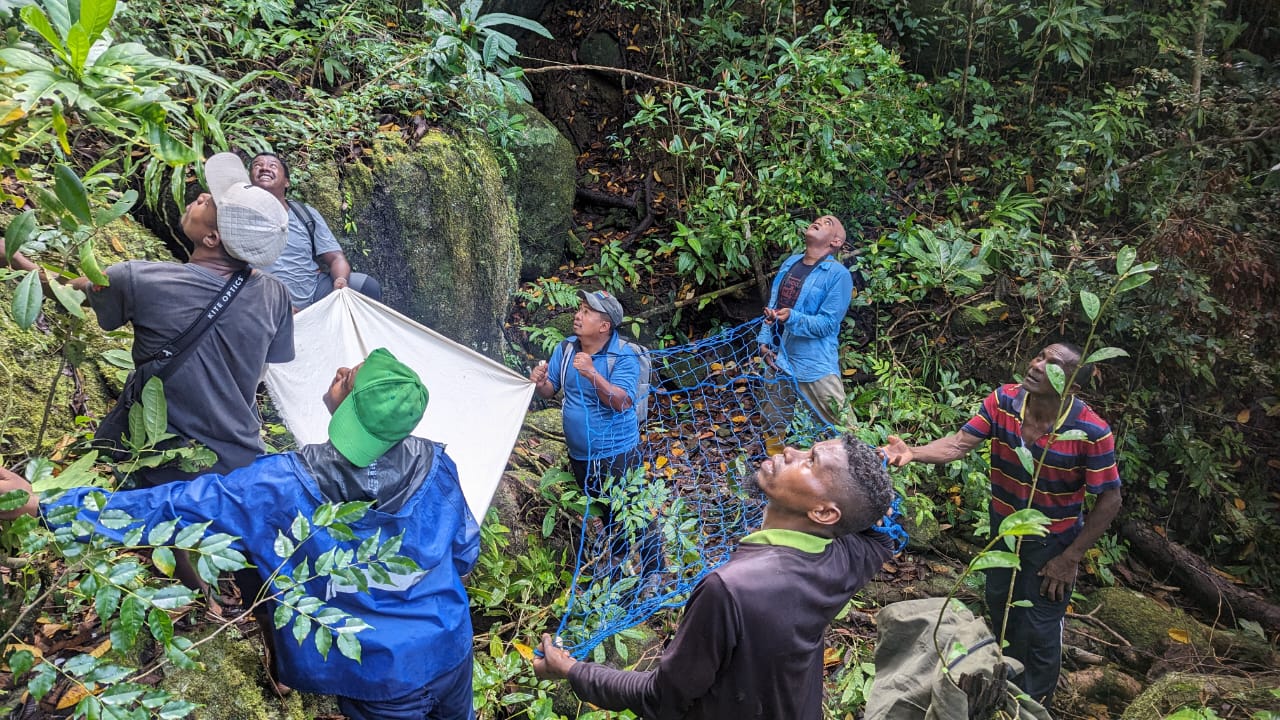
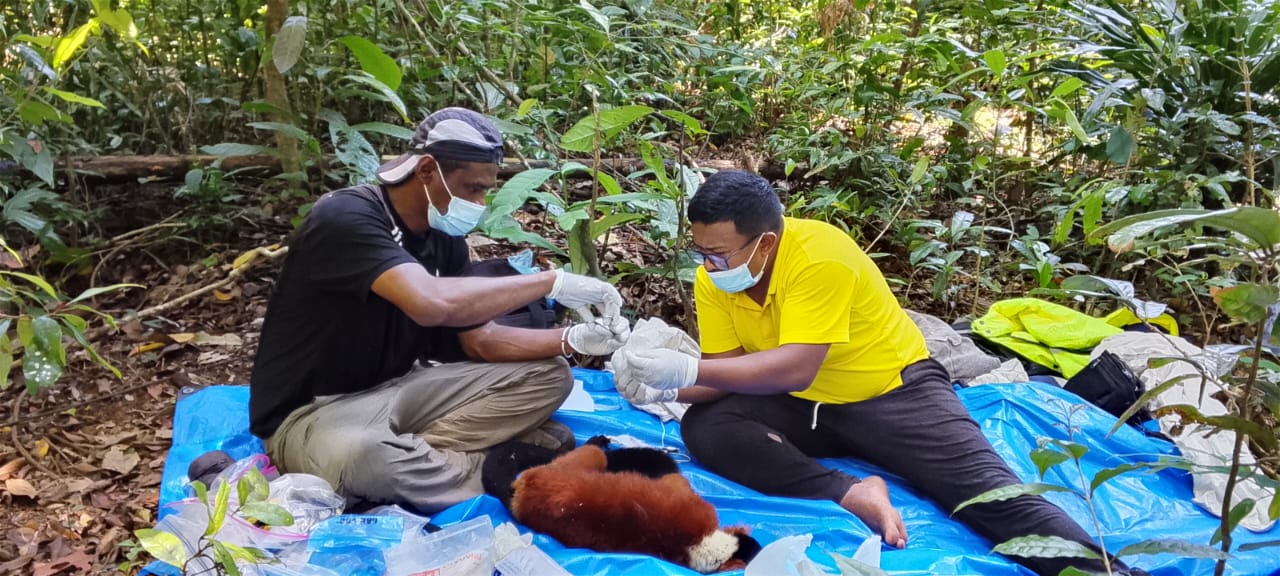
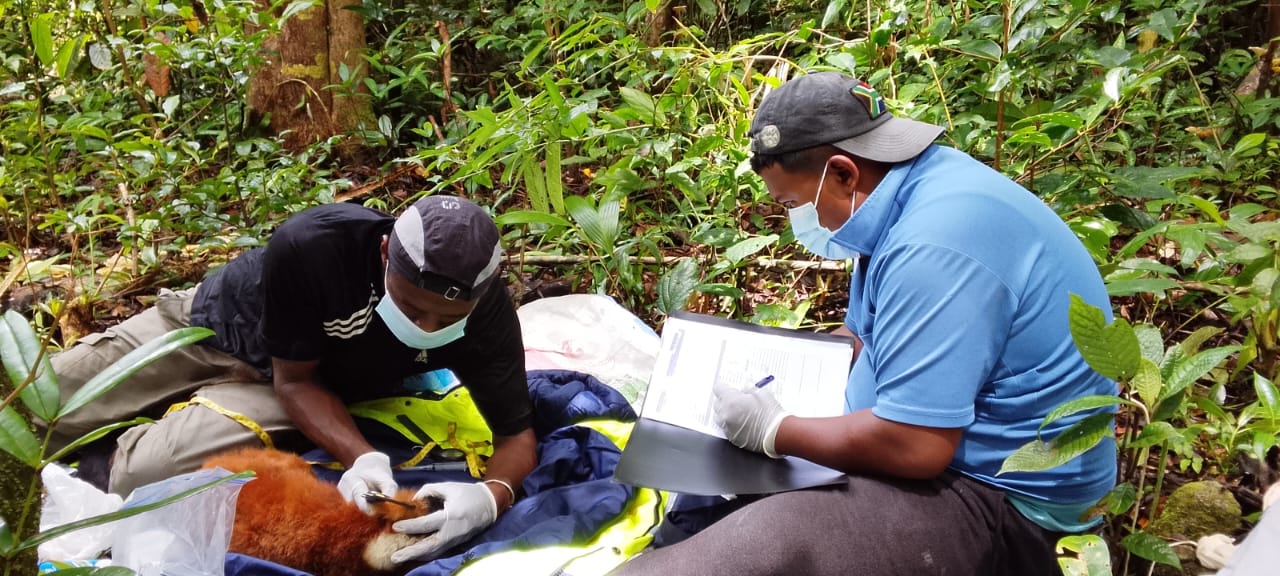
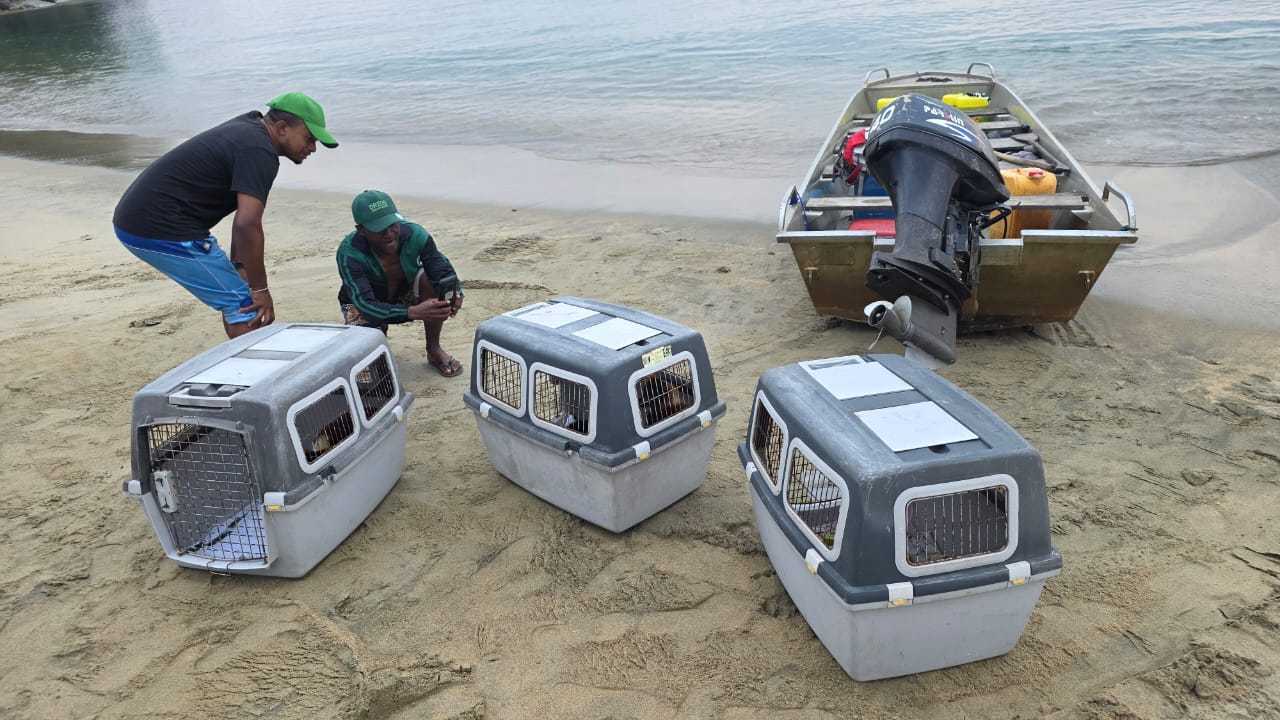
The process began in mid-November 2025 with the capture of the last three red ruffed lemurs remaining in what is left of the Ambolohosy forest, a wooded area almost entirely destroyed by human activity. The operation, carried out with extreme caution, took place over three days, during which the red ruffed lemurs were successively captured by specialized teams. A day off was observed between the two capture sessions to limit stress, particularly for the third individual, which was showing signs of nervousness.
A habituation phase in Farankaraina
Once transferred to Farankaraina, the red ruffed lemurs were released in a habituation aviary for several weeks. This essential intermediate phase helps gradually acclimatizing the animals to their new environment. The aviary allows them to recover from the stress of the capture, to calmly observe the adjacent forest, and to go through a gradual dietary transition. It also helps maintaining the cohesion of the relocated group by reducing the risk of dispersal and minimizing the risk of predation. Finally, it facilitates the monitoring of the lemurs' overall health by the teams.
Approximately one month after their capture, the three lemurs were released in the presence of teams from Antongil Conservation, IMPACT Madagascar, and the Maroantsetra Forest Service, highlighting the importance of collaboration between local authorities and field organizations.
The three lemurs were fitted with GPS collars funded by Palmyre Conservation. These devices will allow the field assistants to track their movements, monitor their behavior and how they are adapting to the forest, thus providing valuable data for the program evaluation.
A significant reinforcement of the local lemur population
Thanks to this release, the red ruffed lemur population in the Farankaraina Forest has now reached 12 individuals, including three young born in 2021. This increase represents a major step forward for the long-term viability of the species and its conservation in Antongil Bay in northeastern Madagascar.
This operation illustrates once again in a very concrete way the commitment of the various partners of the program (European zoological parks financing the project, conservation organizations and Malagasy authorities) in favor of the protection of the red ruffed lemur and its habitat, and carries a message of hope for the future of these emblematic lemurs of the Malagasy rainforests.